Past Projects
Suomen Latu — the Outdoor Association of Finland has extensive experience with national and international projects.
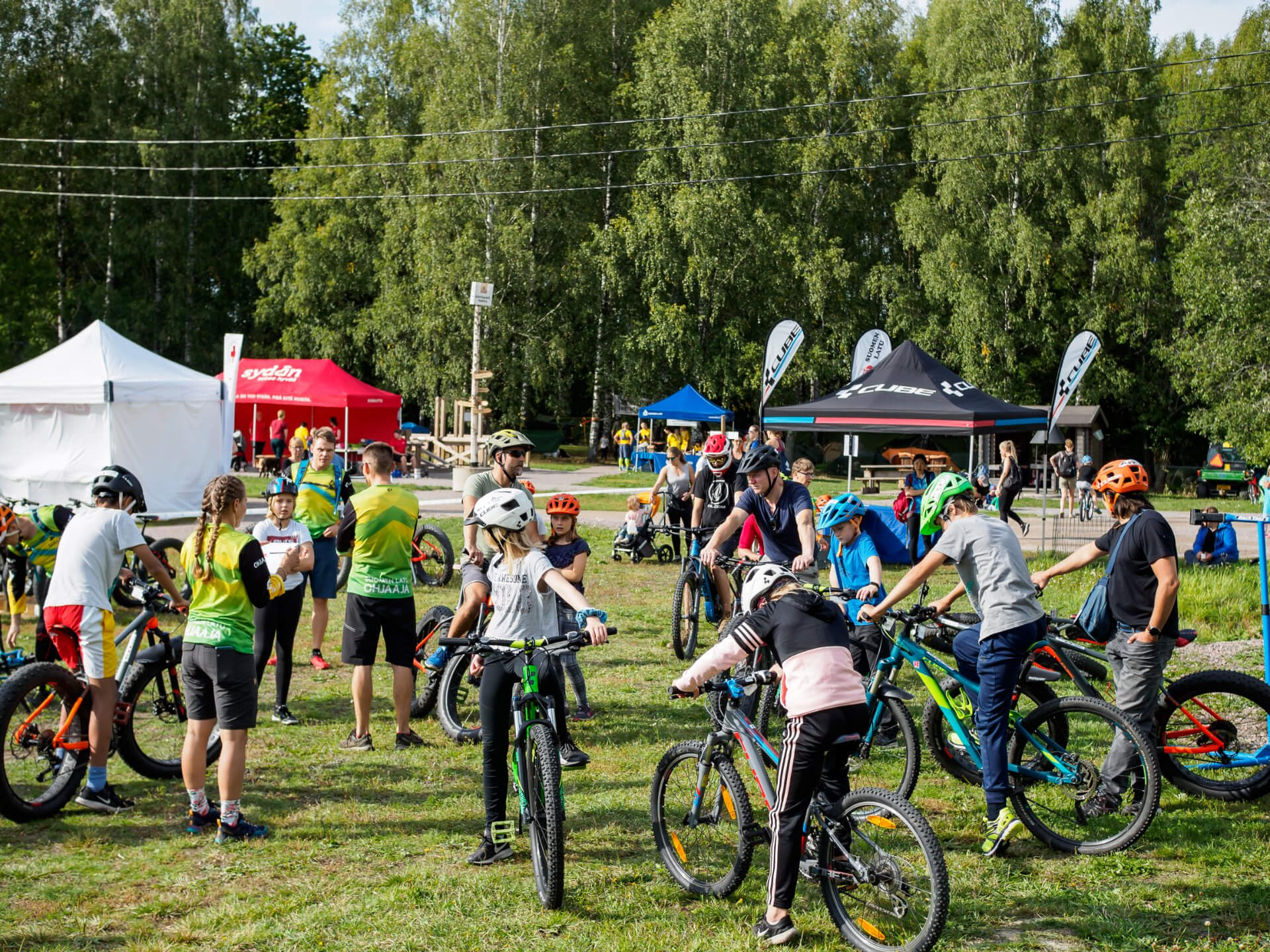
Suomen Latu — the Outdoor Association of Finland has extensive experience with national and international projects.
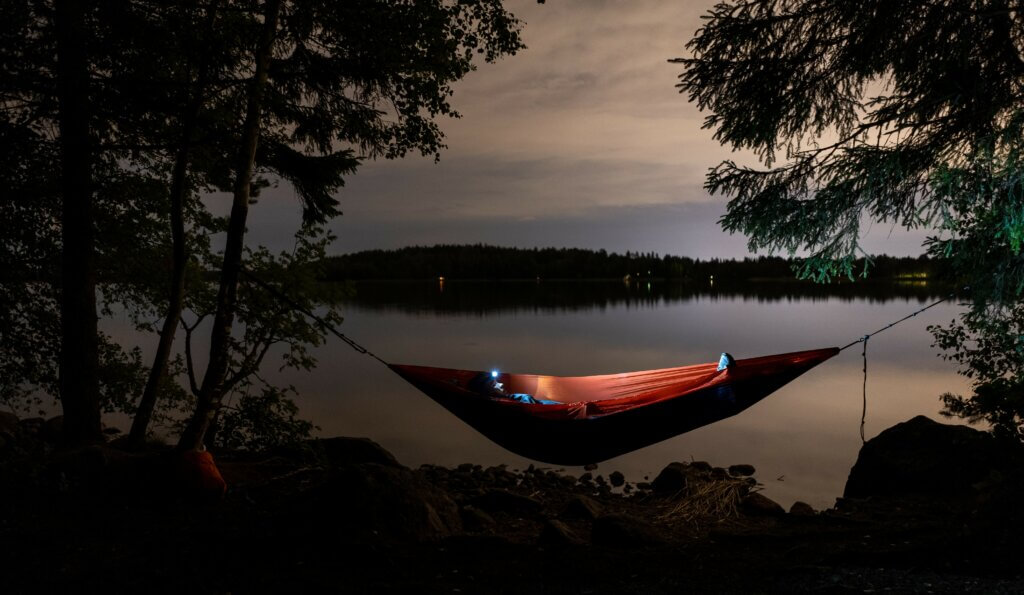
Nordic Night in Nature is a tradition that connects people in Sweden, Denmark, Finland, and Norway through outdoor activities. Spending time in nature is good for both physical and mental health.
The Night in Nature campaign started in Norway in 2015 and has been a Nordic collaboration for the past two years. The goals were to:
Key activities included:
Key findings:
Outcomes:
The NIN project was co-funded by the European Union.
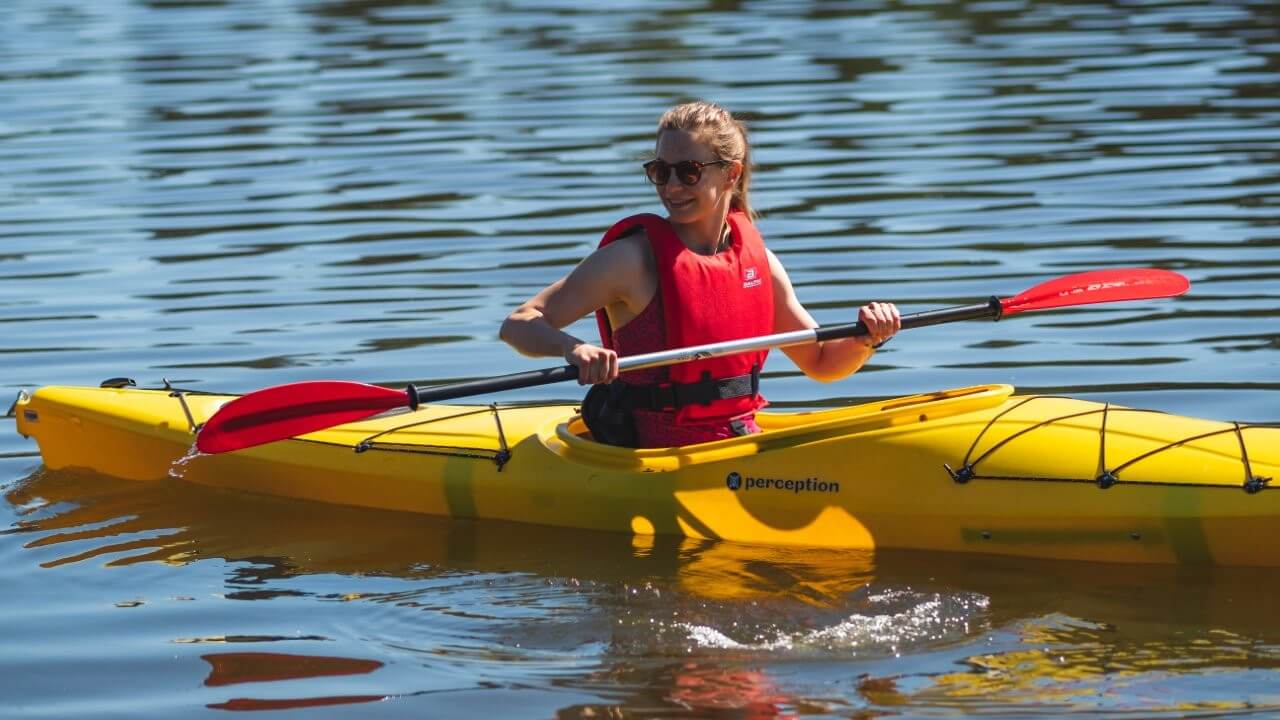
Suomen Latu was involved in a joint project of outdoor organizations from five EU countries called the Watersports Enhanced Together (WET) project. The WET project was implemented in 2016-2017. The aim of the project was to raise awareness of different water sports, inspire new people to engage in water activities, and lower the threshold for participation in water sports. The project involved outdoor organizations from Finland, Great Britain, Ireland, Spain, Portugal, and Bulgaria. The project received funding from the EU’s Erasmus+ program.
#GetWet #BeActive
Benchmarking of Outdoor Activity Facilities project searched for new trends in outdoor activities around the world during 2012-2013. The project was funded by the Ministry of Education and Culture. The goal of the BOAF project was to search for and find the best outdoor activity promotion ideas, new sports, outdoor recreation facilities, and forms of cooperation between different organizations in Western Europe and Canada. The project explored good outdoor recreation practices as well as new solutions and development models that could be utilized in Finland. The final report (in Finnish) can be downloaded below.
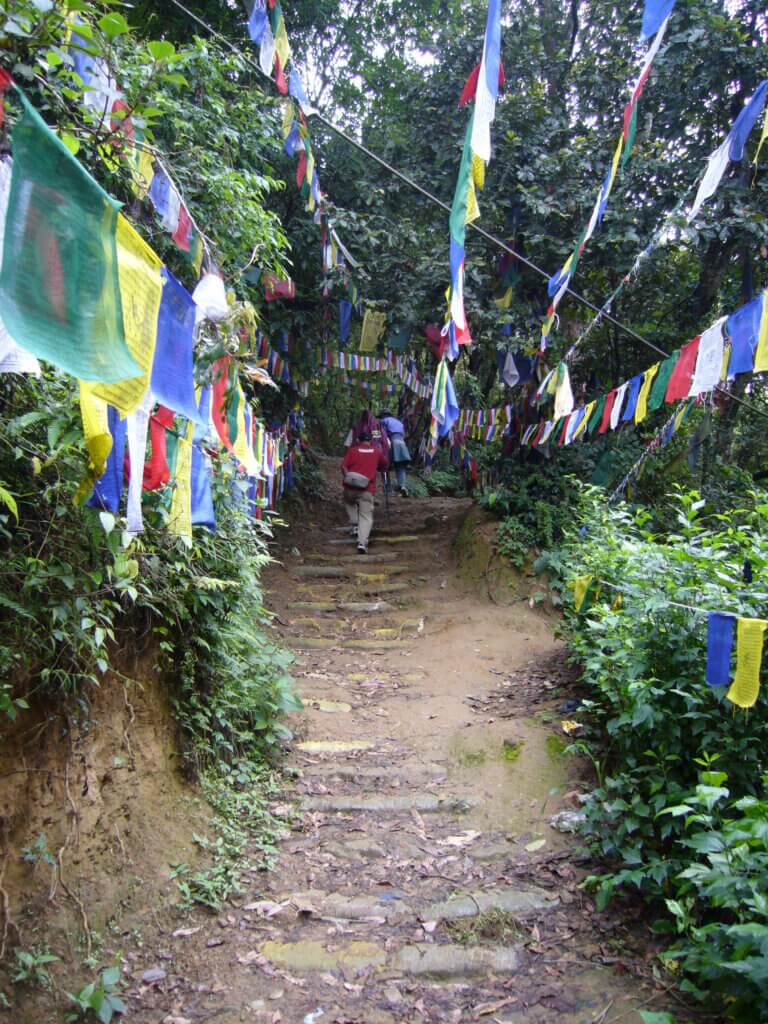
Suomen Latu’s Nepal Project (2008-2014) was based on renovating a 96-kilometer hiking trail and developing local nature tourism in the Kathmandu Valley. The project area was located just an hour’s drive from the capital city of four million inhabitants. The most important destination in the project area is Shivapuri National Park, where visitor numbers rose dramatically during the project: In 2008, Shivapuri National Park had 76,605 visitors, while in 2012, 154,845 visitors were registered at the national park entrance. The total cost of the project was approximately 480,000 euros, of which 75 percent was covered by the Finnish Ministry of Foreign Affairs. The remaining costs were covered by fundraising and administrative work.
During the project, among other things:
The project has benefited numerous different groups in the project area: guesthouse and hotel operators, local underemployed women, unemployed youth, and farmers. In total, more than 4,000 people benefited from the project. The project aimed to primarily benefit more disadvantaged groups: women, youth, and those outside the caste system. This was not entirely successful, because although 86 percent of the beneficiaries belonged to the 16-40 age group, only 2 percent of beneficiaries were Dalits (those outside the caste system). Women also made up significantly fewer beneficiaries than men, only 34 percent. This result is largely explained by Nepal’s hierarchical social structure: women and those outside the caste system are not involved in all the activities that were promoted in this project. For example, a woman working as a wilderness guide in Nepal is extremely rare and causes disapproval in the community.